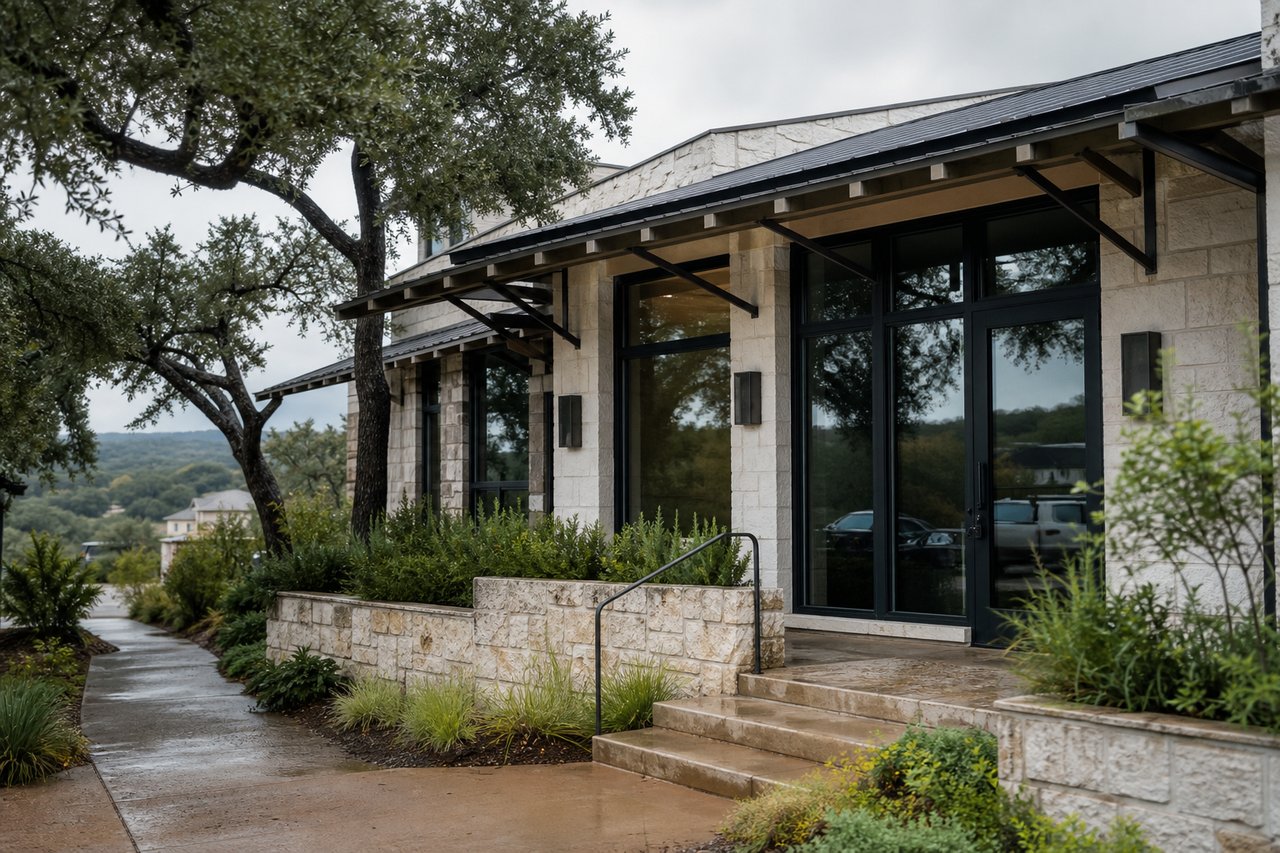
Buying new construction homes in Austin involves builder-specific contracts, layered tax structures including MUD and PID assessments, independent inspections, and strategic lot evaluation that resale purchases don't require. Understanding these differences before you sign protects your investment and avoids costly surprises.
What do buyers need to know before purchasing new construction homes in Austin?
New construction homes in Austin require a fundamentally different buying process than resale. Builder contracts favor the builder, the advertised price rarely reflects the true cost of ownership, and layered tax structures, including MUD, PID, and special-district assessments, can add hundreds of dollars per month to what a mortgage calculator will never show you. Knowing what to verify before you sign is the difference between a great outcome and an expensive education.
Key Takeaways
- New construction homes in Austin are governed by builder-drafted contracts, not standard TREC resale forms, so independent review before signing is essential.
- Texas has no real-estate transfer tax, but closing on a new build still involves title-company charges, recording fees, lender fees, survey costs, and prepaid items that add up quickly.
- A property's full tax burden depends on its exact parcel, not just the subdivision name: school district, county, MUD, PID, WCID, and HOA assessments all stack on top of each other.
- Builder incentives, such as rate buydowns, design credits, and closing-cost assistance, are often conditioned on using the builder's affiliated lender or title company, which changes their real economic value.
- Independent inspections at pre-drywall and final walkthrough stages catch defects that a builder's warranty process is not designed to find on your behalf.
How is buying new construction in Austin different from buying a resale home?
The short answer: almost every part of the process is different, and the differences almost always favor the builder.
When you buy a resale home in Austin, the transaction runs on TREC's standard One to Four Family Residential Contract. That form was written to balance the interests of buyers and sellers. A builder's purchase agreement was written by the builder's legal team, and it shows. Deposit treatment, construction delays, change orders, appraisal shortfalls, cancellation rights, warranty procedures, and the builder's right to substitute materials or modify designs are all governed by the builder's contract, not a form you've seen before.
Jeff walks every new-construction buyer through this distinction before they set foot in a model home. The model home is a sales environment. The contract is where the transaction actually lives, and those two things are not the same document.
What the base price actually includes (and what it doesn't)
New-home advertisements typically feature the model elevation or a rendered image that includes structural options, design-center upgrades, and landscaping that are not part of the base price. Before you compare builders or communities, request the written base specification in writing. That means the lot premium, structural options, design-center allowances, appliance specs, window specs, landscaping obligations, fencing, blinds, garage features, and energy-efficiency equipment. Two homes priced identically on paper can be $60,000 to $80,000 apart once you're looking at the same finish level.
This is exactly the kind of apples-to-apples work Jeff does with buyers before they start comparing communities. If you're weighing multiple builders across Northwest Austin, the new construction vs. resale comparison in Travisso is a useful starting point for understanding how that evaluation plays out in a real community.
Builder incentives: compare by economic effect, not headline value
Builders in the Austin area have been competing aggressively in 2026, and incentive packages have become a standard part of the conversation. Rate buydowns, design credits, closing-cost assistance, appliance packages, and lot-premium concessions are all on the table, depending on the community and the phase.
The catch is that most incentives are conditioned on using the builder's affiliated lender or title company. That condition changes the math. According to the Consumer Financial Protection Bureau's homebuying resources, comparing loan estimates across multiple lenders is one of the most effective ways to understand your true borrowing cost. If an incentive requires you to forfeit that comparison, the headline value of the credit may not reflect its actual benefit.
Jeff's approach is to evaluate each incentive by its effect on cash required at closing, monthly payment, loan terms, resale flexibility, and the home's final specifications. A $20,000 design credit and a 1-point rate buydown are not interchangeable, and neither is automatically the better deal depending on how long you plan to hold the home.
What taxes and assessments will you actually pay on a new Austin build?
This is where new-construction buyers in Austin get the most expensive surprises, and it's the area where Jeff gives the straightest talk he can before a client commits to a community.
The advertised price, and even the mortgage payment estimate the builder's sales rep shows you, rarely reflects the full tax and assessment stack. The Texas Comptroller's property tax overview explains the framework, but the real number is parcel-specific. On any given lot in a master-planned community outside Austin's city limits, you may be paying:
- County property taxes (Travis, Williamson, Hays, or Bastrop, depending on location)
- School district taxes (often the largest single line item)
- Municipal Utility District (MUD) taxes, which fund the infrastructure the developer built to serve the community
- Public Improvement District (PID) assessments, which may fund amenities, streetscaping, or other improvements
- Water Control and Improvement District (WCID) charges in some areas
- HOA dues, which are separate from and in addition to all of the above
The relevant combination depends on the exact lot, not the subdivision name. Two homes on different sides of a district boundary can carry materially different annual tax obligations. Jeff verifies the parcel's taxing jurisdictions, current rates, and any special assessments before a client makes an offer, not after.
How newly built homes are valued for property taxes
A newly built home may initially appear on the appraisal district's records with an incomplete or prior-year value, because the completed structure may not be captured until a subsequent tax year. The Texas Comptroller's county appraisal district directory is the right starting point for finding the relevant district for your parcel. Ask the builder, lender, and title company how they are treating estimated taxes in your escrow setup, because an underestimated escrow in year one leads to a payment adjustment in year two.
Texas has no real-estate transfer tax, which is a genuine advantage compared to many other states. But as the Texas Comptroller's guidance on construction contracts explains, the tax treatment of incorporated materials depends on whether the contract is structured as a lump-sum or separated contract. Buyers don't need to become tax experts, but they should understand that not every construction-related charge is taxed identically, and reviewing the contract structure with an advisor before signing is worthwhile.
What should you inspect and evaluate before closing on a new build?
New construction homes in Austin are not exempt from defects. Framing errors, HVAC installation issues, improper drainage, and insulation gaps are all documented in new builds, and the builder's warranty process is designed to handle warranty claims, not to find problems on your behalf.
The inspection schedule that actually protects you
A practical independent inspection schedule for a new build includes three stages:
- Pre-drywall inspection: The most valuable stage. Once drywall goes up, framing, electrical rough-in, plumbing rough-in, and insulation are no longer visible. An independent inspector at this stage can identify issues that would otherwise be inaccessible for the life of the home.
- Final inspection before closing: A full inspection of the completed home, separate from the builder's own walkthrough.
- Warranty inspection: Typically conducted near the end of the builder's one-year workmanship warranty period, to document any items before the warranty expires.
Inspection access at each stage should be addressed in writing before you sign the builder's contract, not after construction begins. The American Society of Home Inspectors maintains a directory of certified inspectors if you need a starting point.
Strategic lot evaluation: what the model home doesn't show you
In a large master-planned community, the lot you choose matters as much as the floor plan. Jeff evaluates homesite orientation, drainage, slope, retaining walls, backing conditions, future phases, road alignments, utility infrastructure, and proximity to commercial or multifamily sites that may be planned but not yet built.
The amenity center that attracted you to the community may be a 15-minute walk from a Phase 4 lot. A later phase can change traffic patterns and surrounding land uses in ways that affect both livability and resale value. These are the questions that don't come up in the design center, but they're the ones that matter most when you're comparing homesites.
If you're weighing what luxury buyers specifically look for in new construction, Jeff's post on what Austin luxury buyers expect from secondary bedrooms in new construction covers the finish and function standards that hold resale value in this market.
Evaluation Area | What to Verify | Why It Matters |
|---|---|---|
Base price vs. delivered home | Written base spec, lot premium, structural options, design-center allowances | Model homes typically include significant upgrades not in the base price |
Tax and assessment stack | County, school district, MUD, PID, WCID, HOA by exact parcel | Two adjacent lots can carry different annual obligations |
Builder contract terms | Deposit treatment, delay provisions, appraisal gap, cancellation rights, substitution rights | Builder contracts are not balanced the way TREC resale forms are |
Incentive conditions | Affiliated lender/title requirement, loan terms vs. open-market comparison | Headline incentive value may not equal economic benefit |
Homesite specifics | Orientation, drainage, backing, future phases, road alignments, commercial adjacency | Lot selection affects livability and resale value independent of floor plan |
Independent inspections | Pre-drywall, final, and warranty-period inspections by a licensed third party | Builder warranty process is not designed to find problems on the buyer's behalf |
Every situation is different, and the only way to know what a specific community's full cost of ownership looks like is to run the numbers on the actual parcel. That's the conversation Jeff has with buyers before they fall in love with a floor plan.
To see how Jeff's readers are reviewing his work, check his profiles on Google and Zillow.
Frequently Asked Questions
What should I know before signing a new-construction builder contract in Austin?
Builder contracts in Austin are drafted by the builder's legal team and govern everything from deposit treatment to delay provisions, appraisal shortfalls, cancellation rights, and the builder's right to substitute materials. They are not the standard TREC resale form, and they are not balanced the same way. Have the contract reviewed by a real estate attorney or an experienced buyer's agent before you sign, and confirm that inspection access at pre-drywall and final stages is addressed in writing.
Should I hire my own real estate agent when buying a new-construction home in Austin?
Yes. The sales representative in the model home works for the builder. An independent agent works for you, evaluates the contract on your behalf, compares communities and homesites, and negotiates incentives without a conflict of interest. Builder compensation practices for buyer's agents vary by community, so confirm the arrangement upfront. Broker fees and commissions are fully negotiable and not set by law.
Do I need an independent inspection on a brand-new Austin home?
An independent inspection is one of the most important steps in a new-construction purchase. A pre-drywall inspection catches framing, plumbing, electrical, and insulation issues while they are still accessible. A final inspection before closing and a warranty-period inspection near the end of the builder's first-year coverage round out a practical schedule. The builder's own walkthrough and warranty process are not substitutes for an independent inspector working on your behalf.
How are property taxes calculated on a newly built home in Travis, Williamson, Hays, or Bastrop County?
A newly built home may appear on the appraisal district's records with an incomplete or prior-year value until the completed structure is appraised in a subsequent tax year, which can create an escrow shortfall in year two. The full tax obligation includes county, school district, and any applicable MUD, PID, WCID, and HOA charges, all of which are parcel-specific. Contact the relevant county appraisal district, listed in the Texas Comptroller's county directory, and verify the current rates for the exact lot before closing.
Are MUD, PID, HOA, and other special-district charges included in the advertised price?
No. The advertised price of a new home is the purchase price, not a representation of total cost of ownership. MUD taxes, PID assessments, WCID charges, and HOA dues are ongoing obligations that stack on top of county and school-district property taxes. In some Northwest Austin and Leander-area master-planned communities, the combined annual assessment load can add meaningfully to the monthly cost of ownership. Verify the complete tax and assessment structure for the specific parcel before comparing communities.
What happens if the builder misses the promised completion date?
Builder contracts typically include provisions that allow for construction delays and may limit the buyer's remedies when a completion date is missed. Rate-lock expirations, lease-end dates, and moving plans can all be affected. Review the delay and cancellation provisions in the builder's contract before signing, and discuss contingency planning with your lender and agent so you understand your options if the timeline shifts.
Buying new construction homes in Austin rewards preparation. The communities are compelling, the builders are competitive, and the incentives are real, but the process requires a level of due diligence that goes well beyond a resale transaction. Schedule a consultation with Jeff to walk through the specific community, contract, and tax picture before you commit, or search current Austin and Leander listings to see what's available across new and resale inventory right now.
Equal Housing Opportunity. Jeff Joseph is a licensed Sales Agent in Texas, regulated by the Texas Real Estate Commission (TREC). This article is general information only and does not constitute legal, tax, or financial advice. Confirm your specific numbers with your title company, tax advisor, or lender.