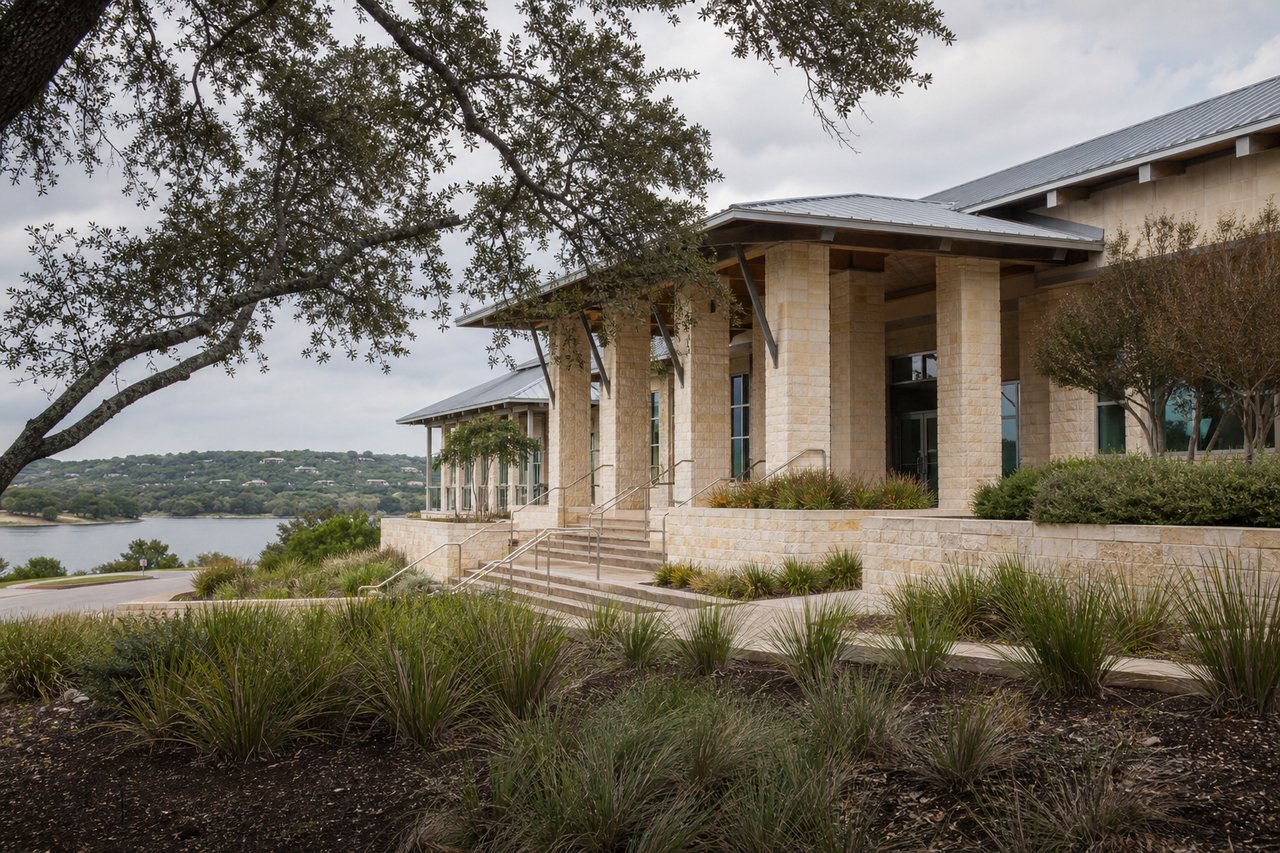
Williamson County's new construction boom offers real opportunities for buyers and investors, but success depends on understanding which corridors are maturing versus still waiting on roads, schools, and retail. Permit activity remained active in Q1 2026, but incentives, tax districts, and infrastructure timing vary significantly by city.
What are the real opportunities and risks in Williamson County's new construction boom?
Williamson County's new construction boom is genuine, and so are the gaps between a well-timed purchase and one that leaves a buyer waiting years for roads, schools, and retail. According to Williamson County's 2026 fact sheet, the county added 23,814 residents between 2024 and 2025 alone, ranking ninth nationally for total population growth. That kind of demand pulls builders into every corner of the county, but the opportunities and the risks are not evenly distributed. Knowing which corridor you are in, who your utility provider is, and what tax districts attach to your lot matters more here than almost anywhere else in the Austin metro.
Key Takeaways
- Williamson County's population reached an estimated 752,827 in 2025, with nearly 24,000 new residents added in a single year, according to Williamson County.
- Builders filed 774 residential permits in Williamson County in Q1 2026, a 6% decrease from Q1 2025, per HBW Weekly's Q1 2026 analysis, signaling continued activity but a modest cooling from last year's pace.
- Thirty employers announced relocations or expansions in fiscal year 2025-26, representing 3,467 jobs and $2.5 billion in planned capital investment, according to the Williamson County Economic Development Partnership.
- MUD, PID, and WCID taxes can add hundreds of dollars per month to a new construction payment, and those districts vary from one subdivision to the next, even within the same named community.
- County projections point to more than 1.6 million residents by 2050, per the Williamson County EDP, but long-range growth does not guarantee appreciation in every subdivision or phase.
Where is Williamson County's new construction boom actually happening?
Williamson County is not one market. The county's new construction activity is concentrated along several distinct corridors, each at a different stage of maturity, and buyers who treat the county as a single uniform opportunity are the ones who get surprised later.
Georgetown, Round Rock, and Cedar Park
These communities represent the most established end of the growth spectrum. Infrastructure is largely in place, retail and dining are built out, and school capacity has had time to catch up with rooftops. Buyers here tend to pay a premium for that certainty, but they are not betting on timelines that may slip.
Leander, Liberty Hill, and Hutto
This is where the county's new construction boom is most active and most uneven. Leander has matured significantly, particularly in master-planned communities like Travisso, where amenities, Hill Country views, and proximity to 183A make it a legitimate move-up destination. Liberty Hill and Hutto are earlier in that arc. Buyers there are getting more home for the price, but they are also accepting more uncertainty about when the surrounding infrastructure arrives.
Taylor and the eastern corridor
Taylor is the county's newest growth story, driven in part by large employer announcements in the eastern corridor. The Williamson County EDP's five-year plan reported 30 employer relocations or expansions in fiscal year 2025-26, representing 3,467 jobs and $2.5 billion in planned capital investment. That is announced investment, not completed projects, and the distinction matters for buyers trying to time a purchase around employment-driven demand.
What should buyers actually check before signing a new construction contract?
The contract process for a new construction home is different from a resale purchase, and the gaps where buyers get hurt are predictable. Jeff walks every new construction client through the same checklist before they commit, because the details that seem minor at signing often become the most consequential ones at closing and beyond.
Tax districts and your real monthly payment
This is the one Jeff raises first, every time. A new subdivision in Williamson County may sit inside a Municipal Utility District (MUD), a Public Improvement District (PID), or a Water Control and Improvement District (WCID), and sometimes more than one. These districts finance the roads, water lines, and infrastructure that make the subdivision possible, and they recover those costs through an additional property tax rate layered on top of the county and city rates. The difference between a subdivision with a MUD tax and one without can easily be several hundred dollars per month on the same purchase price. Jeff's position is straightforward: buyers deserve to know that number before they fall in love with a floor plan, not after.
The builder contract is not a standard TREC form
New construction contracts are written by the builder's legal team, not by the Texas Real Estate Commission. They tend to favor the builder on timelines, change orders, and the option to substitute materials. Having a buyer's agent review the contract before you sign is not a formality, it is the only way to understand what you are actually agreeing to. Jeff represents buyers in new construction transactions and negotiates directly with builder sales teams, which is a different skill set than a standard resale negotiation.
Infrastructure timing is a projection, not a promise
A builder's marketing materials may show a future school, a retail center, and a park. Those are plans. The timeline for each depends on school district capacity decisions, commercial developer financing, and county permitting, none of which the builder controls. For buyers in early-phase subdivisions, Jeff recommends asking specifically which infrastructure items are funded and permitted versus which are still conceptual.
Floodplain, driveway, and sewage-facility permits on rural lots
For acreage purchases or edge-of-town lots not served by municipal utilities, Williamson County's builder requirements can include a Certificate of Compliance, a Floodplain Permit, and a Driveway Permit depending on the site. On-site sewage facility applications require a soil evaluation, site plan, and floor plan submitted through the county's permitting system. These are not obstacles, but they are timelines, and buyers on acreage need to factor them into their closing schedule.
Corridor | Stage of Build-Out | Key Consideration |
|---|---|---|
Georgetown / Round Rock | Mature | Infrastructure in place; premium pricing reflects certainty |
Leander / Cedar Park | Established to maturing | Master-planned communities with amenities; verify tax districts |
Liberty Hill | Active growth | Competitive pricing; school and retail timelines still developing |
Hutto | Active growth | Eastern corridor employment demand; verify utility access by lot |
Taylor | Early to emerging | Employer-driven demand; announced investment not yet fully operational |
Is new construction in Williamson County a good investment right now?
The structural case for Williamson County is real. A county growth summary documented 21% employment growth between August 2019 and August 2024. The county's GDP reached $44.6 billion in 2026, up from $36 billion in 2022. And county projections point to more than 1.6 million residents by 2050, compared with roughly 728,000 today. Texas has no state income tax, and the Sunbelt migration story has not reversed.
That said, long-range growth projections are not a substitute for underwriting a specific address. Jeff works with a category of buyer he describes as opportunistic: people who already own a home they are happy with and are hunting for the right property at the right number, not chasing a deadline. That mindset is well-suited to new construction investment in Williamson County right now. Builders in Liberty Hill and Hutto have been offering rate buydowns, lot premiums waived, and design-center credits to move inventory, which creates real negotiating room for buyers who are not in a hurry.
The investment risk is not the county's growth story. The risk is overpaying for a phase-one lot in a subdivision where the builder controls pricing on phases two through five, or buying in a corridor where the employment anchor that drove the land decision never fully materializes. Those are the conversations worth having before you sign, not after. If you are weighing new construction against a resale home, the new construction vs. resale comparison Jeff put together for Travisso buyers lays out the framework clearly, even if your target is a different community.
For a broader read on where the Austin luxury market sits heading into the end of 2026, Jeff's analysis of current market conditions gives useful context on pricing and buyer positioning across the metro.
Every situation is different, and the only way to know whether a specific subdivision and lot make sense for your goals is to run the numbers with someone who knows this market. That is exactly the kind of analysis Jeff does before a buyer walks into a builder's sales office.
---
Read what clients say about working with Jeff on Google and Zillow.
Frequently Asked Questions
Is buying a new construction home in Williamson County cheaper than buying an existing home?
Not necessarily, and the comparison is more nuanced than the base price suggests. New construction in outer corridors like Liberty Hill and Hutto can carry a lower purchase price than comparable resale homes in more established areas, but MUD, PID, or WCID taxes can close that gap significantly on a monthly payment basis. Builders may also offer incentives that make new construction more competitive, but those incentives are negotiable and vary by phase and community. The only way to compare accurately is to look at total monthly cost, including all tax districts, for each specific address.
Which Williamson County cities have the most new construction activity right now?
Georgetown, Leander, Liberty Hill, Hutto, and Taylor are the most active corridors as of late 2026, with Liberty Hill and Hutto seeing particularly high builder activity in master-planned communities. According to HBW Weekly's Q1 2026 analysis, Williamson County recorded 774 residential permits in Q1 2026. Activity is not uniform across these cities, and the stage of infrastructure build-out differs meaningfully from one corridor to the next.
Are builders in Georgetown, Hutto, Leander, and Liberty Hill offering incentives in 2026?
Yes, and the incentive environment has been favorable for prepared buyers, particularly in communities with active inventory. Common offers include mortgage rate buydowns, waived lot premiums, and design-center credits. These incentives are negotiable and tend to be more available in early phases or on spec homes that have been sitting. A buyer's agent who works directly with builder sales teams can identify where the real leverage is, which is not always what the model-home brochure advertises.
What should I check before buying in a new Williamson County subdivision?
Verify the governing jurisdiction (city or county), all applicable tax districts including MUD, PID, and WCID rates, utility provider, HOA documents, construction phase, floodplain status, and the current permitting status of any nearby schools, roads, or commercial projects shown in marketing materials. These details can differ from one phase to the next within the same named community, and they have a direct impact on your monthly payment and your timeline to a fully built-out neighborhood.
How long does it take for roads, schools, parks, and retail to arrive in a new development?
It depends on the corridor and how far along the build-out is when you buy. In established communities like Georgetown and Round Rock, most of that infrastructure is already in place. In earlier-stage areas like parts of Liberty Hill or Taylor, the timeline for schools and retail can run three to seven years from the time a subdivision opens, depending on school district capacity decisions and commercial developer financing. Ask specifically which projects are funded and permitted, not just planned, before you commit to a phase-one purchase.
What are the risks of buying land or a home in a fast-growing part of Williamson County?
The primary risks are infrastructure timing, tax district costs, and builder pricing control across future phases. On rural or edge-of-town lots, permitting requirements for on-site sewage facilities, floodplain compliance, and driveway access to county-maintained roads can add time and cost to development. The Williamson County builder requirements page outlines what documentation and permits apply depending on the site. Buyers who move quickly without verifying these details at the specific-lot level are the ones who encounter surprises at closing.
Williamson County's growth fundamentals are among the strongest in Texas, but the county's new construction boom rewards buyers who do their homework at the address level, not the county level. If you are weighing a new construction purchase in Georgetown, Leander, Liberty Hill, Hutto, or Taylor, Jeff can walk you through the tax districts, builder contracts, and infrastructure realities before you sit down in a sales office.
Schedule a consultation with Jeff to get a clear picture of what a specific subdivision and lot actually cost, or search available homes in the Austin and Leander area to see what is on the market now.
Equal Housing Opportunity. Jeff Joseph is a licensed Sales Agent in Texas, regulated by the Texas Real Estate Commission. This article is general information only and is not legal, tax, or financial advice. Confirm your specific costs and tax district obligations with your title company, tax advisor, or lender.